
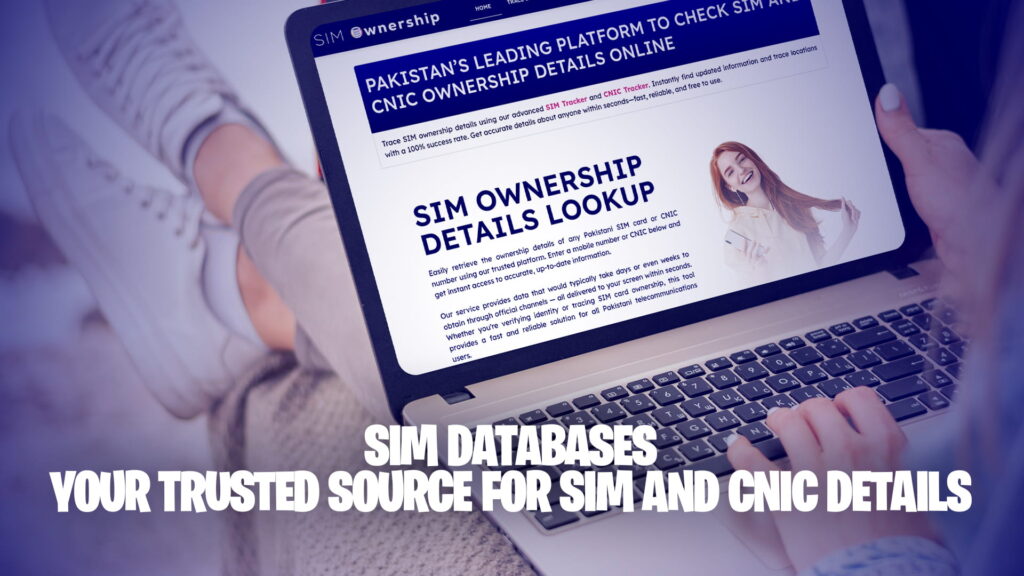
Your mobile phone is more than just a communication device—it’s a gateway to your personal, financial, and professional life. The SIM card inside it connects you to the world, but do you truly know who has access to your number or what information is stored about it? Whether you need to verify who owns a particular SIM card or want to check details associated with your CNIC number, having access to reliable databases is essential.
SIM Ownership stands as Pakistan’s leading platform that helps citizens check SIM and CNIC ownership details online with complete accuracy and security.
The concept of SIM databases has evolved significantly over the past decade. What started as a simple way to track mobile numbers has now become a comprehensive system that combines SIM card information with CNIC details, creating a unified database that benefits both individuals and organizations. This transformation has made it incredibly simple for anyone to trace SIM ownership details using advanced technology that is fully approved by the Pakistan Telecommunication Authority.
Understanding how to access and use these databases effectively can save you time, protect your personal information, and help you make informed decisions about your telecommunications needs. This article will guide you through everything you need to know about SIM databases, their importance, and how to use them responsibly.
What Are SIM Databases?
A SIM database is essentially a comprehensive collection of information about SIM cards, including ownership details, registration information, and associated CNIC numbers. These databases serve as the backbone of modern telecommunications systems in Pakistan, storing crucial data that helps maintain order and security within the telecom industry.
SIM databases contain various types of information about each registered SIM card. This includes the name of the person who owns the card, their CNIC number, registration date, current status of the SIM card, the telecom operator, and other relevant details. The information stored in these databases is continuously updated to ensure accuracy and relevance.
The primary purpose of maintaining such databases is to ensure that every SIM card in circulation can be traced back to a legitimate registered user. This serves multiple important functions including preventing fraud, assisting law enforcement agencies, helping telecommunications companies manage their customer base, and protecting consumers from unauthorized use of their information.
Pakistan’s telecommunications sector has developed one of the most sophisticated SIM databases in South Asia. This database is managed and regulated by the Pakistan Telecommunication Authority, which ensures that all telecommunications companies follow strict guidelines when registering new SIM cards and maintaining customer information.
The Importance of SIM Ownership Verification
Verifying SIM ownership has become increasingly important in Pakistan’s digital landscape. With the rise of online fraud, identity theft, and unauthorized telecommunications usage, knowing who owns a particular SIM card is crucial for personal security and legal compliance.
When you need to verify SIM ownership, you’re essentially checking that the person registered to use a particular SIM card is the actual owner. This verification process serves many purposes. First, it helps protect you from fraud. If someone is using a SIM card registered in your name, you need to know about it immediately to prevent potential misuse. Second, it assists in legal matters where you need to establish who was using a particular number at a specific time.
Businesses also benefit tremendously from SIM ownership verification. Companies that deal with customer data need to ensure they’re communicating with legitimate individuals. Service providers use this information to protect their networks and customer base. Employers sometimes need to verify SIM ownership for official communication purposes or to maintain records of company-issued devices.
Law enforcement agencies rely heavily on SIM ownership databases to investigate crimes, trace fraud cases, and track suspicious activities. When a crime involves telecommunications, knowing the registered owner of a SIM card can be the key to solving the case and bringing criminals to justice.
Personal safety is another crucial aspect of SIM ownership verification. If you receive threatening messages or calls from an unknown number, verifying the SIM ownership can help you take appropriate action, whether that’s reporting to authorities or blocking the number.
How to Check SIM Ownership Details
The process of checking SIM ownership details has been simplified significantly thanks to modern online platforms. Instead of visiting multiple offices or making numerous phone calls, you can now access comprehensive SIM ownership information from the comfort of your home using an internet connection.
To check SIM ownership details, you typically need to provide some basic information. The most common requirement is the phone number of the SIM card whose details you want to verify. Some platforms may also ask for the CNIC number if you’re trying to find all SIM cards registered under a particular national ID number.
The actual process is straightforward. You visit the online platform, enter the required information into the search form, and then submit your request. The advanced search algorithms process your query within seconds, accessing the comprehensive SIM database and retrieving the relevant ownership information. The results are displayed in a clear, easy-to-understand format showing the registered owner’s name, CNIC number, registration date, and current status of the SIM card.
One of the major advantages of using online platforms for this purpose is the speed and convenience factor. What once took hours or days to verify can now be completed in minutes. You don’t need to take time off work, travel to an office, or deal with lengthy bureaucratic processes. Instead, you can simply access the information whenever you need it, regardless of the time of day or your location.
Another important advantage is the improved accuracy of online databases. These systems are constantly updated with the latest information from telecommunications operators, ensuring that the data you receive is current and reliable. The information stored in these databases is verified and cross-referenced with official PTA records, meaning you can trust the results you receive.
Understanding CNIC Details Through SIM Tracking
Your CNIC number is one of the most important pieces of personal identification in Pakistan. It’s used for everything from opening bank accounts to registering business entities. Understanding how your CNIC details relate to your SIM cards is essential for maintaining personal security and identity protection.
When a SIM card is registered in Pakistan, it must be linked to a valid CNIC number. This creates a direct connection between your identity and your telecommunications usage. By tracking this relationship, you can see all SIM cards that have been registered under your CNIC number, which is important for detecting unauthorized registrations or fraudulent activity.
Each CNIC number can legally have multiple SIM cards registered to it. However, there are limits set by the Pakistan Telecommunication Authority to prevent abuse. Checking your CNIC details through SIM tracking helps you maintain an accurate record of all your active SIM cards and ensures that no one else is using your identity to register unauthorized devices.
The CNIC verification process is part of the broader commitment to secure telecommunications in Pakistan. When you verify CNIC details linked to a SIM, you’re essentially confirming the identity of the SIM card owner. This information is crucial for legal purposes, personal security, and maintaining digital identity integrity.
By regularly checking which SIM cards are registered under your CNIC number, you can quickly identify if someone has fraudulently registered a SIM in your name. This early detection is crucial because it allows you to take immediate action before any damage occurs. You can report the unauthorized registration to your telecom provider and the relevant authorities for investigation.
The Role of PTA Approved SIM Tracking
The Pakistan Telecommunication Authority plays a vital role in regulating all telecommunications activities in the country. Their approval of SIM tracking systems ensures that these tools meet strict security and accuracy standards while protecting user privacy and data integrity.
PTA approved SIM tracking systems are designed with multiple layers of security and verification to ensure accurate results. These systems follow strict protocols for data access and usage, ensuring that personal information is protected against unauthorized use or access. When you use a PTA approved tracker, you can be confident that your data is being handled responsibly and securely.
The approval process itself is rigorous. Before any SIM tracking system is approved by the PTA, it must undergo extensive testing and evaluation. The system must demonstrate that it can access and process data accurately, that it maintains appropriate security measures, and that it complies with all relevant regulations regarding personal data protection.
Using PTA approved systems is particularly important because it ensures that you’re getting accurate, reliable information. These systems have direct access to official telecommunications databases managed by the country’s major telecom operators. This means the information you receive is current, verified, and comes from authoritative sources.
The PTA approval also means that these tracking systems follow strict ethical guidelines regarding how information is used and shared. Your personal data is protected by legal requirements and security protocols that go far beyond what unauthorized or unofficial systems might offer.
Why Choose an Advanced SIM Tracker
Not all SIM trackers are created equal. Advanced SIM tracking systems offer features and capabilities that make them far superior to basic or outdated platforms. When you’re looking for reliable SIM and CNIC detail checking services, choosing an advanced tracker can make a significant difference in the quality and speed of results you receive.
Advanced SIM trackers use sophisticated algorithms and database management systems that can process large amounts of data quickly and accurately. These systems are built on modern technology infrastructure that ensures fast response times even during peak usage periods. When you submit a query, the advanced tracker searches through millions of records and returns relevant results within seconds.
The user interface of advanced trackers is typically more intuitive and user-friendly than older systems. They’re designed with the average user in mind, meaning you don’t need technical expertise to navigate the platform or understand the results. Clear instructions and straightforward forms make the process accessible to everyone, regardless of their technological background.
Advanced trackers also offer more comprehensive search options. Rather than just searching by phone number, you might be able to search by CNIC, name, or other identifying information. This flexibility is particularly useful when you need to verify multiple SIM cards or when you’re trying to find information about someone using only partial details.
The accuracy of advanced SIM trackers is notably higher than basic systems. They use real-time data synchronization with telecommunications operators’ databases, ensuring that the information you receive is the most current available. This level of accuracy is especially important when you’re using the information for serious purposes like fraud investigations or legal proceedings.
Advanced trackers also implement multiple security measures to protect user data. From encrypted data transmission to secure access protocols, these systems ensure that your personal information remains confidential while you’re searching for information about others.
Common Reasons to Check SIM Ownership
There are numerous legitimate reasons why individuals and organizations need to check SIM ownership details. Understanding these reasons can help you determine whether SIM tracking is useful for your situation and how to use the information responsibly.
One of the most common reasons is fraud prevention. If you suspect that someone is using a SIM card in your name without authorization, checking the ownership details can confirm this suspicion. Once confirmed, you can take immediate action to report the fraud to your telecommunications provider and relevant authorities.
Another frequent reason is security investigation. If you receive harassing calls or messages from an unknown number, verifying the SIM ownership can help identify the person involved. This information can be valuable when reporting harassment to law enforcement or when considering legal action against the harasser.
Business verification is another common purpose. Companies need to verify the SIM ownership of individuals they conduct business with to reduce fraud risk. This is particularly important for large transactions or when establishing long-term business relationships.
Debt collection and legal disputes sometimes require SIM ownership verification. If someone is avoiding communication about a legal matter, confirming their contact information through SIM tracking can be helpful in serving legal notices or establishing contact for settlement discussions.
Lost or stolen phone recovery is another practical application. If your phone is stolen, you might use SIM tracking to understand what information the thief has access to and take appropriate protective measures.
Job applicants sometimes face verification requirements that include SIM ownership checks. Employers may verify contact information to ensure job applications contain accurate information.
How SIM Databases Protect Your Privacy
A common concern when using SIM tracking services is whether your privacy is adequately protected. Understanding how these databases work and what safeguards are in place can help alleviate these concerns and build confidence in using these services responsibly.
SIM databases are protected by multiple layers of security. At the technical level, data is encrypted both when it’s stored in the database and when it’s transmitted between systems. This encryption ensures that even if someone gains unauthorized access to the data, they cannot read or use the information without the encryption key.
At the regulatory level, Pakistan’s data protection laws impose strict requirements on how personal information can be stored and used. Organizations that maintain SIM databases must comply with these laws or face significant penalties. This legal framework creates a strong incentive for proper data protection.
Access to SIM databases is carefully controlled and monitored. Not everyone who works with the database has access to all information. Instead, access is limited based on job roles and responsibilities, following the principle of least privilege. This means individuals can only access the specific data they need for their work.
Additionally, most advanced SIM tracking platforms implement audit trails that log every query made to the database. This creates a record of who accessed what information and when, making it possible to identify unauthorized access or misuse.
Consent and transparency are also important privacy protections. When you register a SIM card, you’re informed that your details will be stored in these databases and how they may be used. This allows individuals to make informed decisions about their telecommunications usage.
The Technology Behind SIM Databases
The technology infrastructure supporting modern SIM databases is quite sophisticated, representing years of development and refinement. Understanding the basic technology involved can help you appreciate why these systems are so reliable and efficient.
At its foundation, a SIM database is built on powerful database management systems capable of handling millions of records. These systems are designed to process complex queries quickly and return accurate results. The database architecture is optimized for speed, allowing queries to be processed within seconds even during high-traffic periods.
The data synchronization technology used by SIM trackers is particularly important. These systems must constantly update information from telecommunications operators to maintain currency. This is typically done through secure APIs and data feeds that transmit new or updated information in real-time or near-real-time intervals.
Search algorithms play a crucial role in how quickly and accurately information can be retrieved. Advanced trackers use sophisticated search algorithms that can handle various types of queries and return relevant results even when the information is incomplete or partially matching.
Security technology is integrated throughout the system. From firewalls that protect against unauthorized access to encryption that protects data in transit and at rest, security measures are layered throughout the entire infrastructure.
The user interface technology represents the visible part of the system that users interact with. Modern trackers use responsive web design that works well on computers, tablets, and smartphones, ensuring a seamless experience across all devices.
Responsible Usage of SIM Tracking Information
While SIM tracking is a powerful tool for verification and security purposes, it’s important to use this information responsibly and ethically. Understanding the proper use cases and respecting legal limitations is essential for everyone who accesses this information.
The fundamental principle is that SIM tracking information should only be used for legitimate purposes. Legitimate purposes generally include personal security, fraud prevention, business verification, and legal or law enforcement investigations. Using SIM tracking information to harass, threaten, or damage someone is illegal and unethical.
Privacy and consent are central to responsible usage. Even when you have access to SIM tracking information, you should consider whether it’s appropriate to use or share that information in a particular context. Just because you can access information doesn’t mean you should in every situation.
For business purposes, transparency is important. If you’re verifying someone’s SIM ownership as part of a business process, it’s generally best to inform them that you’re doing so or at least be prepared to explain why you needed that information.
When using SIM tracking for security or safety purposes, it’s important to report issues to appropriate authorities rather than taking vigilante action. If you discover fraud or criminal activity, reporting to law enforcement is the appropriate response rather than attempting to handle the matter yourself.
Documentation is another important aspect of responsible usage. Keep records of when and why you accessed SIM tracking information, particularly if this information might be needed for legal or business purposes later.
Real-World Applications of SIM Database Tracking
To better understand the value of SIM database tracking, it’s helpful to look at how these tools are used in practical, real-world situations across different sectors and contexts.
In the banking sector, SIM tracking is used extensively for customer verification and fraud prevention. Banks use this information to confirm that customers are who they claim to be and to detect suspicious account activity. If a bank receives a transaction request from an unusual device or location, they might verify the SIM ownership to confirm it’s a legitimate customer.
Insurance companies use SIM tracking to verify policyholder information and investigate claims. When processing a claim, verifying the claimant’s contact information through SIM tracking helps prevent fraudulent claims and ensures they’re dealing with legitimate customers.
Law enforcement agencies use SIM tracking as part of criminal investigations. When investigating theft, fraud, harassment, or other crimes involving telecommunications, identifying the SIM owner can be the critical piece of evidence needed to solve the case.
E-commerce platforms use SIM tracking to verify customer identities and reduce fraud. By confirming that customers’ phone numbers are registered to real individuals, these platforms can reduce the risk of fraudulent transactions and account takeovers.
Telecommunications companies use this technology for their own customers, helping them identify and prevent SIM swapping fraud, where criminals attempt to take over accounts by obtaining a new SIM card registered to the victim’s number.
Lending institutions use SIM tracking as part of their know-your-customer and due diligence procedures. Before extending credit, lenders want to verify that applicants are who they claim to be, and SIM tracking information helps with this verification.
Security Features of Modern SIM Trackers
Modern SIM tracking platforms incorporate multiple security features designed to protect both the information in the database and the privacy of users accessing that information. Understanding these security measures can help you use these platforms with confidence.
Multi-factor authentication is a common security feature. To access SIM tracking information, you might need to provide not only your username and password but also a verification code sent to your registered phone number or email. This additional layer makes it harder for unauthorized individuals to access accounts.
Rate limiting is another security measure that prevents abuse. These systems limit how many queries a single user can make within a specific time period, preventing someone from downloading large amounts of data or using the system to scrape information.
Data anonymization for certain queries is another protective measure. When you search for information, the system might not display the full details but rather a summary or verification that doesn’t reveal sensitive information beyond what you actually need.
Geographic restrictions can be applied to limit access to information from specific locations. This helps prevent unauthorized access from individuals in countries where regulations prohibit access to such information.
Regular security audits are conducted to identify and fix vulnerabilities. These audits, often performed by independent security firms, help ensure that the system remains secure against emerging threats.
Compliance monitoring ensures that all operations comply with relevant laws and regulations. Systems are regularly reviewed to confirm they meet all legal requirements for data protection and privacy.
Choosing the Right SIM Tracking Platform
With various SIM tracking platforms available, choosing the right one for your needs is important. Several factors should guide your decision when selecting a platform to verify SIM and CNIC details.
Legitimacy and authorization are the first considerations. Make sure the platform you choose is authorized by the Pakistan Telecommunication Authority and operates legally. Check for official credentials and verifications before using any service.
Accuracy and data currency are crucial. The platform should provide accurate information that’s regularly updated from official sources. Read reviews and feedback from other users to gauge the accuracy of results.
User interface and ease of use matter significantly. A good platform should be intuitive and easy to navigate, even for people without technical expertise. Clear instructions and straightforward search functions should be readily available.
Customer support is an important factor. Good platforms offer customer support through multiple channels to help users with questions or issues. Responsive support can be invaluable if you encounter problems.
Security measures should be comprehensive and transparent. The platform should clearly explain what security measures are in place to protect your data and how your information will be handled.
Cost and value proposition should be reasonable. While some services are free, others charge fees. Consider whether the cost is justified by the features and accuracy provided.
Privacy policy should be clear and transparent. Before using any platform, read and understand their privacy policy to know how your information will be used and protected.
Future of SIM Databases in Pakistan
The SIM database landscape in Pakistan continues to evolve as technology advances and regulations are refined. Understanding the direction of this evolution can help you appreciate why these systems are becoming increasingly important.
Artificial intelligence and machine learning are increasingly being integrated into SIM tracking systems. These technologies can detect patterns and anomalies that might indicate fraudulent activity, making the systems smarter and more capable of preventing abuse.
Biometric integration is another emerging trend. Some advanced systems are exploring how biometric data can be integrated with SIM registration to provide even stronger verification of identity.
Enhanced data sharing among telecommunications companies is creating more comprehensive and accurate databases. As operators share more information with each other and with authorized parties, the quality and completeness of data improves.
Regulatory frameworks continue to evolve to better protect privacy while enabling legitimate uses of SIM tracking information. New regulations may impose stricter requirements on how data is stored and accessed.
Integration with other identification systems is making it easier to cross-reference SIM information with other databases. This can improve accuracy and prevent fraud across multiple sectors.
Mobile-first development is ensuring that SIM tracking platforms work seamlessly on smartphones and mobile devices, making these services more accessible to the average user.
International cooperation on telecommunications data is increasing, particularly for combating cross-border fraud and crime. Pakistan’s participation in these international initiatives may influence how domestic SIM databases are managed.
To verify which SIM cards are registered to your CNIC, visit a trusted SIM tracking platform and enter your CNIC number. The platform will return a list of all SIM cards registered under your name. If you discover unauthorized registrations, immediately contact your telecommunications provider and file a report with the relevant authorities. You should also consider filing a complaint with the Pakistan Telecommunication Authority to ensure proper investigation.
Yes, it is legal to check someone else’s SIM ownership in Pakistan, but only for legitimate purposes. Legitimate reasons include fraud investigation, personal security when receiving threatening communications, business verification, or law enforcement purposes. However, using this information to harass, threaten, or harm someone is illegal. Always ensure your purpose for checking is legitimate and that you comply with applicable privacy laws.
Typically, you only need the phone number to verify a SIM card’s owner. Some platforms also allow you to search using the CNIC number if you want to find all SIM cards registered under a particular identity. Having more information like the person’s name can help narrow results if the search returns multiple possibilities, though a phone number alone is usually sufficient for precise results.
Modern SIM databases are updated continuously or in near-real-time intervals, sometimes multiple times per hour. This ensures that information about new registrations, deactivations, or changes is reflected in the database quickly. However, there may be slight delays during peak hours or when systems are undergoing maintenance.
Yes, SIM tracking information can be used as evidence in legal proceedings, though the admissibility depends on how the information was obtained and how it can be authenticated. Information obtained from official, authorized sources like court orders or proper legal channels is generally admissible. It’s recommended to consult with a legal professional about how to properly present this evidence in court to ensure it meets evidentiary standards.
Conclusion
SIM Ownership serves as Pakistan’s leading platform for checking SIM and CNIC ownership details online, providing a secure and reliable way to verify telecommunications information. Whether you need to protect yourself from fraud, investigate suspicious activity, or verify contact information for legitimate business purposes, having access to accurate SIM database information is invaluable in today’s digital world.
The technology behind modern SIM tracking has made it possible to access verification information instantly from anywhere with an internet connection. The PTA-approved systems ensure that this information is accurate, secure, and handled responsibly. By understanding how these systems work and how to use them appropriately, you can take advantage of this powerful tool to protect yourself and your business.
Remember that with access to this information comes responsibility. Use SIM tracking information only for legitimate purposes, respect privacy, and follow all applicable laws. Whether you’re an individual protecting yourself from fraud or an organization verifying customer information, doing so responsibly benefits everyone.
As Pakistan’s telecommunications landscape continues to evolve, SIM databases will play an increasingly important role in ensuring security, preventing fraud, and maintaining trust in the telecommunications system. By choosing a trusted platform and using it responsibly, you can take advantage of these tools to navigate the digital world with greater confidence and security.